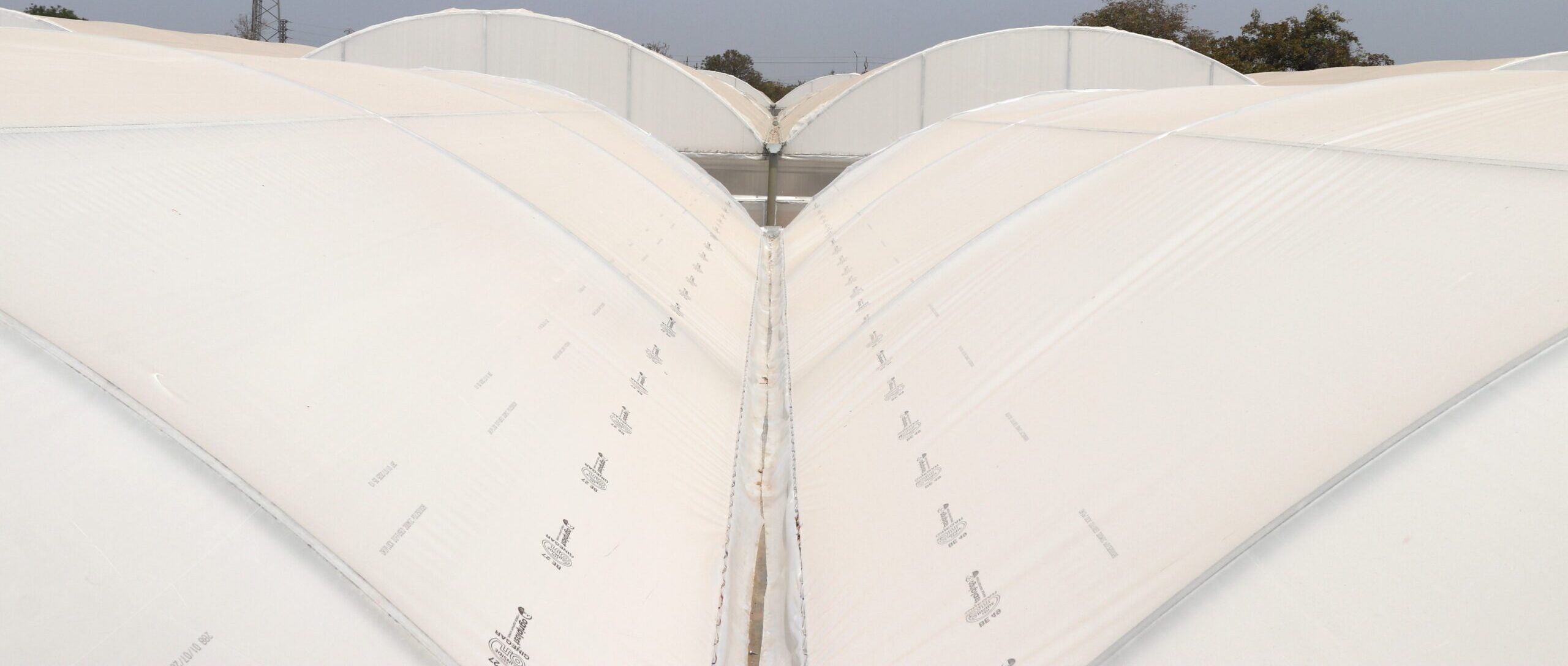
When planning a polyhouse project, one of the most important decisions is choosing between a naturally ventilated polyhouse and a climate-controlled polyhouse.
Both systems are designed to improve crop productivity and protect cultivation from external weather conditions. However, their cost, infrastructure requirements, and performance levels differ significantly.
Understanding these differences helps investors, farmers, and institutional growers make the right decision.
A naturally ventilated polyhouse uses passive airflow through side vents and roof openings to regulate temperature and humidity. It does not depend on heavy automation or cooling equipment.
Side and top ventilation systems
Insect-proof netting
Drip irrigation integration
Lower electricity dependency
Moderate temperature control
Lower initial investment
Reduced operational cost
Suitable for most vegetable crops
Easy maintenance
Limited control during extreme heat
Less precise humidity management
Performance depends on regional climate
Naturally ventilated systems are ideal for regions with moderate climatic conditions and for farmers looking for cost-effective infrastructure.
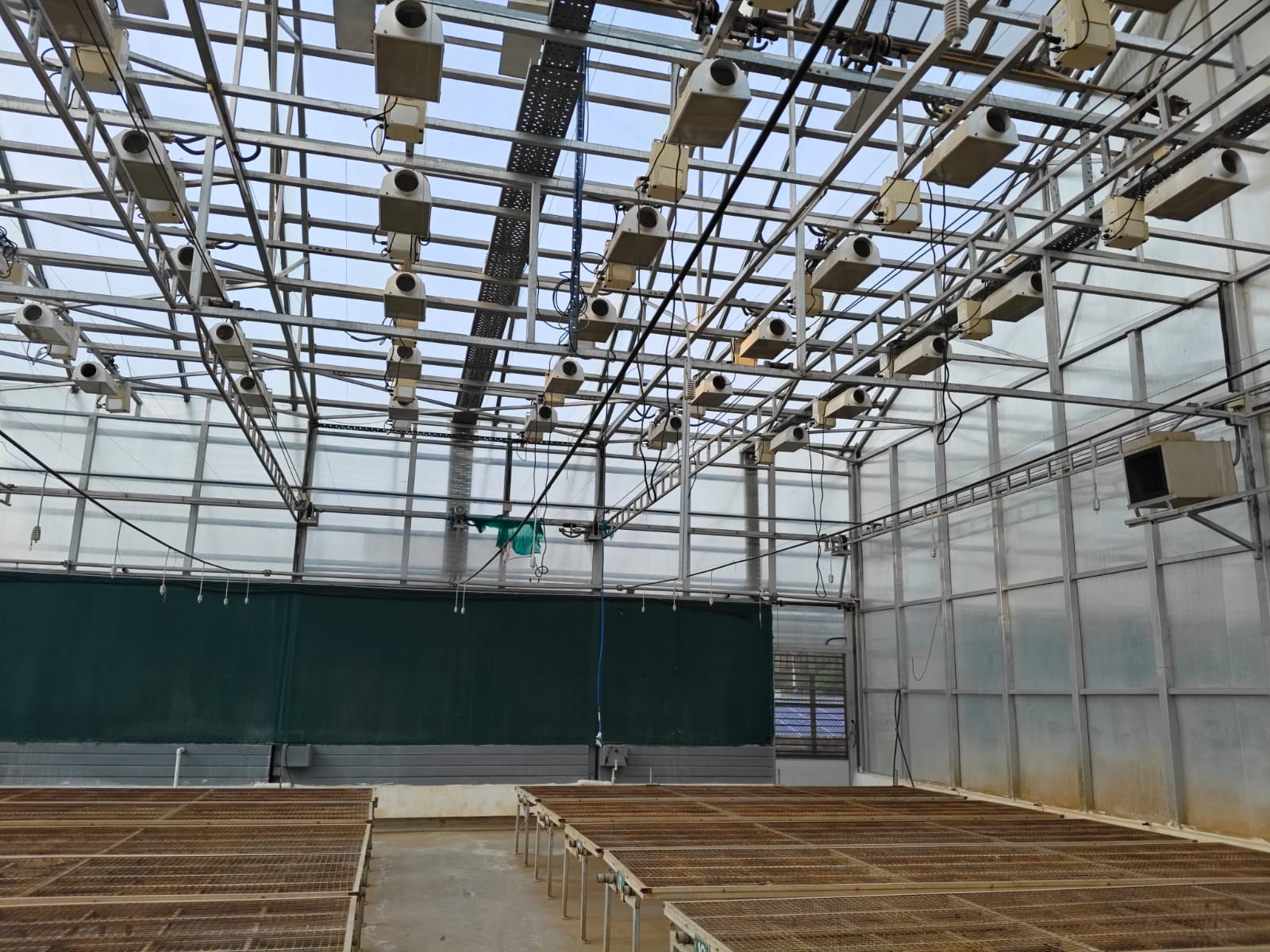
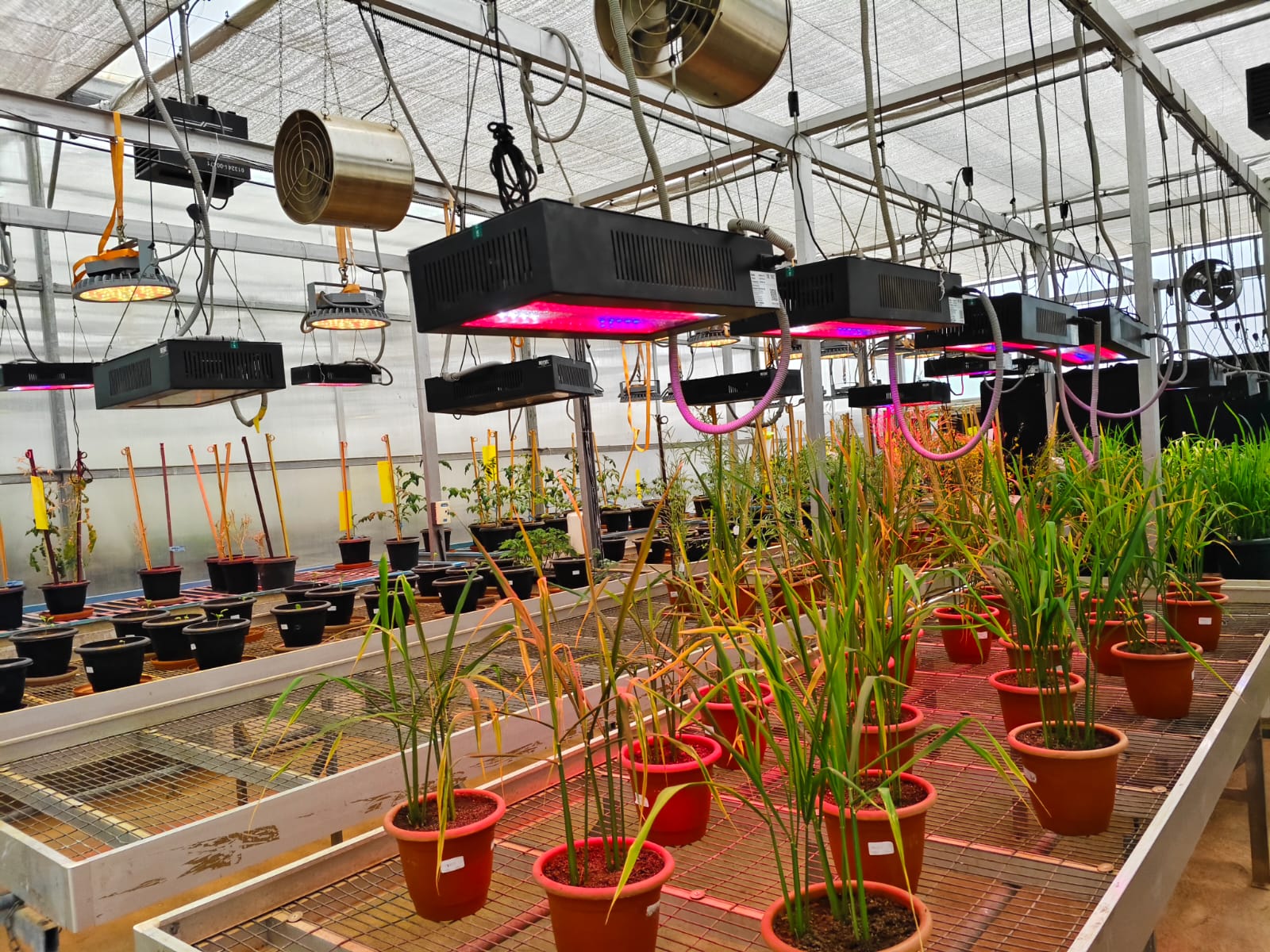
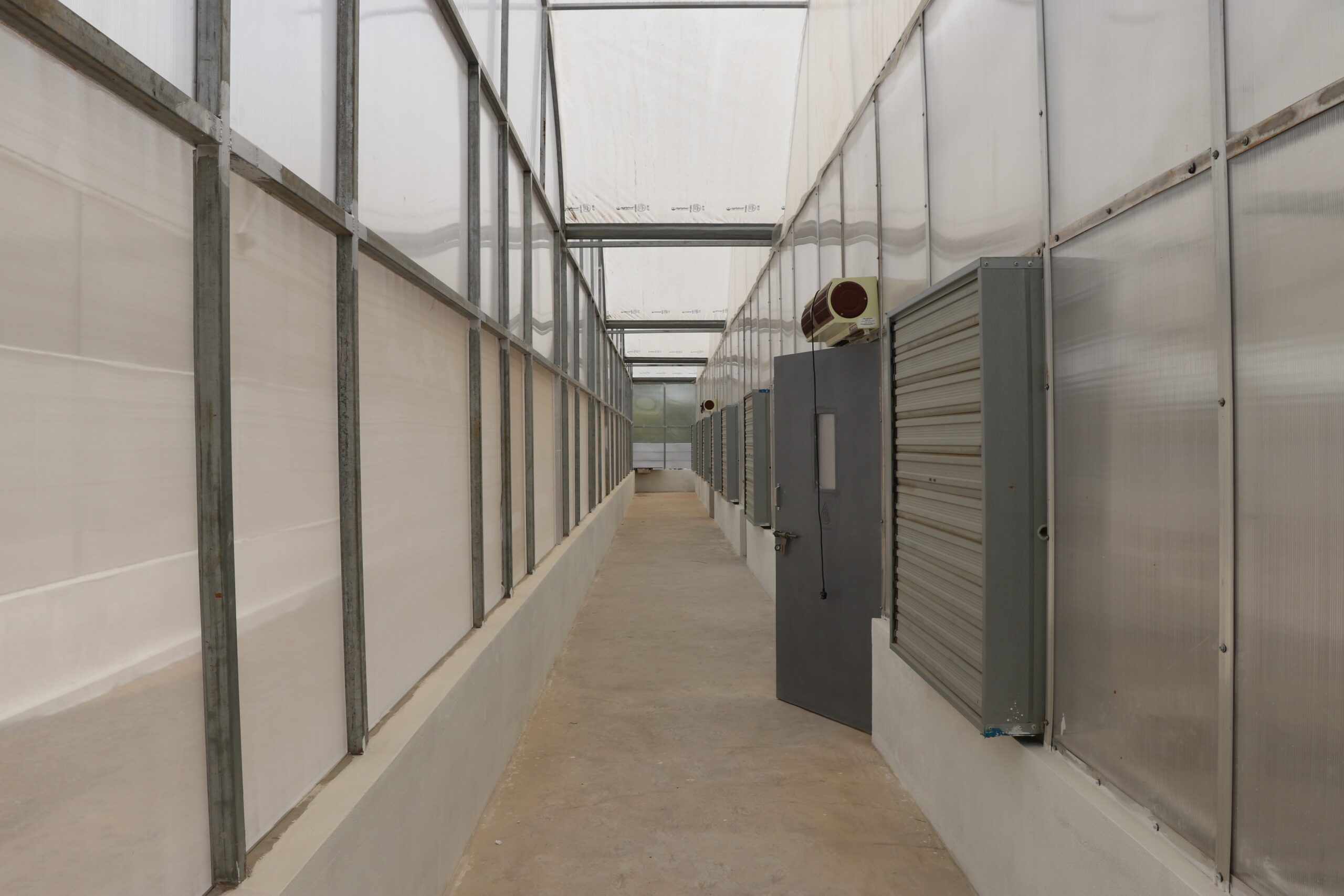
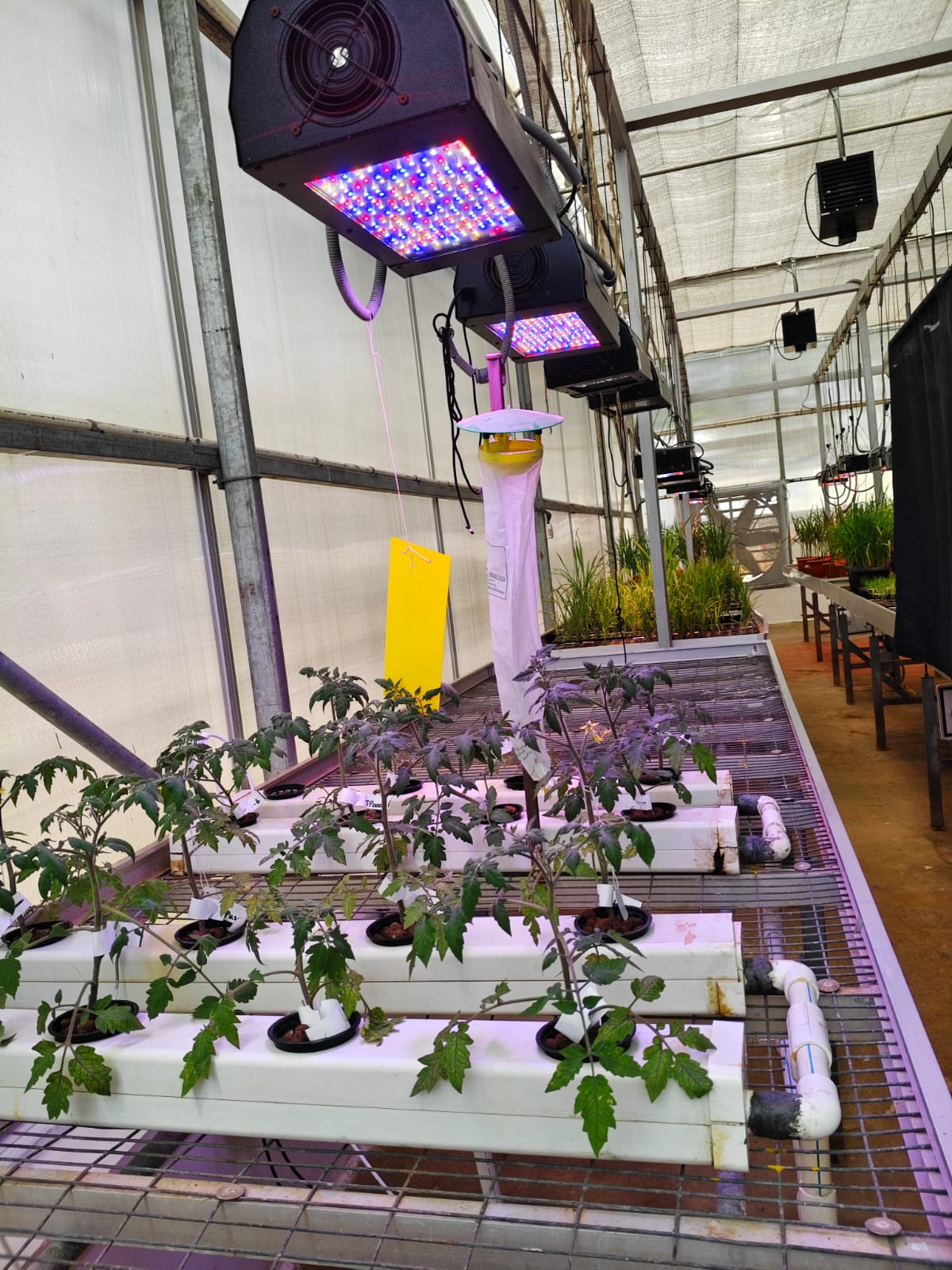
A climate-controlled polyhouse is a fully automated structure equipped with cooling pads, exhaust fans, fogging systems, and environmental sensors.
This system actively regulates:
Temperature
Humidity
Air circulation
CO₂ levels (in advanced setups)
Cooling pad and fan system
Automated environmental control
Higher structural specifications
Advanced fertigation integration
Precise environmental control
Higher crop consistency
Ideal for high-value crops
Suitable for research and export-grade production
Higher initial investment
Increased electricity consumption
Requires technical monitoring
Climate-controlled systems are typically preferred for commercial-scale operations and institutional projects.
Naturally Ventilated Polyhouse: ₹30–45 Lakhs per acre
Climate-Controlled Polyhouse: ₹70 Lakhs – ₹1.2 Crore per acre
The cost difference is mainly due to automation equipment, cooling systems, and structural reinforcement.
The answer depends on:
Budget
Crop selection
Regional climate
Target market
Scale of operation
If your focus is vegetable cultivation with moderate investment, a naturally ventilated polyhouse is sufficient.
If you aim for export-quality flowers, exotic crops, or research-level production, climate-controlled infrastructure offers better precision and consistency.
Infrastructure planning should not be based only on cost. Proper structural design, ventilation layout, and long-term operational strategy play a crucial role in project success.
At Sribioplus, we assist clients in evaluating land conditions, crop goals, and investment capacity before recommending the most suitable polyhouse system. Our experience in executing both naturally ventilated and climate-controlled structures ensures that each project is designed for durability, efficiency, and long-term performance.
Choosing the right structure at the beginning prevents costly modifications later.
Choosing between a naturally ventilated and a climate-controlled polyhouse is not just about comparing costs. It requires evaluating land conditions, regional climate patterns, crop objectives, and long-term operational planning.
At Sribioplus, we work closely with growers and project investors to assess these critical factors before recommending the appropriate polyhouse system. Our experience in designing and executing both naturally ventilated and climate-controlled structures ensures that every project is structurally sound, performance-oriented, and aligned with the client’s production goals.
From structural engineering to ventilation planning and system integration, Sribioplus focuses on delivering infrastructure solutions that balance investment efficiency with long-term productivity.
Both naturally ventilated and climate-controlled polyhouses serve important roles in modern protected cultivation. The right choice depends on your project objectives and long-term vision.
A well-planned infrastructure system not only improves productivity but also enhances profitability and sustainability.
If you are planning to develop a polyhouse project, consult experienced infrastructure professionals to ensure the structure matches your cultivation goals.

+91 90309 86188
sribioplus@gmail.com
Old Bowenpally, Hyderabad-500011, Telangana, India