Polyhouse farming is rapidly becoming a preferred cultivation method across India. With increasing climate unpredictability and rising demand for premium-quality produce, many farmers are shifting toward controlled environment farming.
However, before starting, the most common question is:
What is the actual cost of polyhouse farming in India?
This guide provides a clear breakdown of investment, subsidy options, and expected returns.
What is the Cost of Polyhouse Farming in India?
The cost depends on structure type, materials used, crop selection, and automation level.
Cost Per Acre (Approximate)
Naturally Ventilated Polyhouse: ₹30–45 Lakhs per acre
Climate-Controlled Polyhouse: ₹70 Lakhs – ₹1.2 Crore per acre
For smaller projects (1000 sq.m.), the cost typically ranges between ₹8–15 Lakhs.
What Factors Influence the Cost?
Several technical elements affect the total investment:
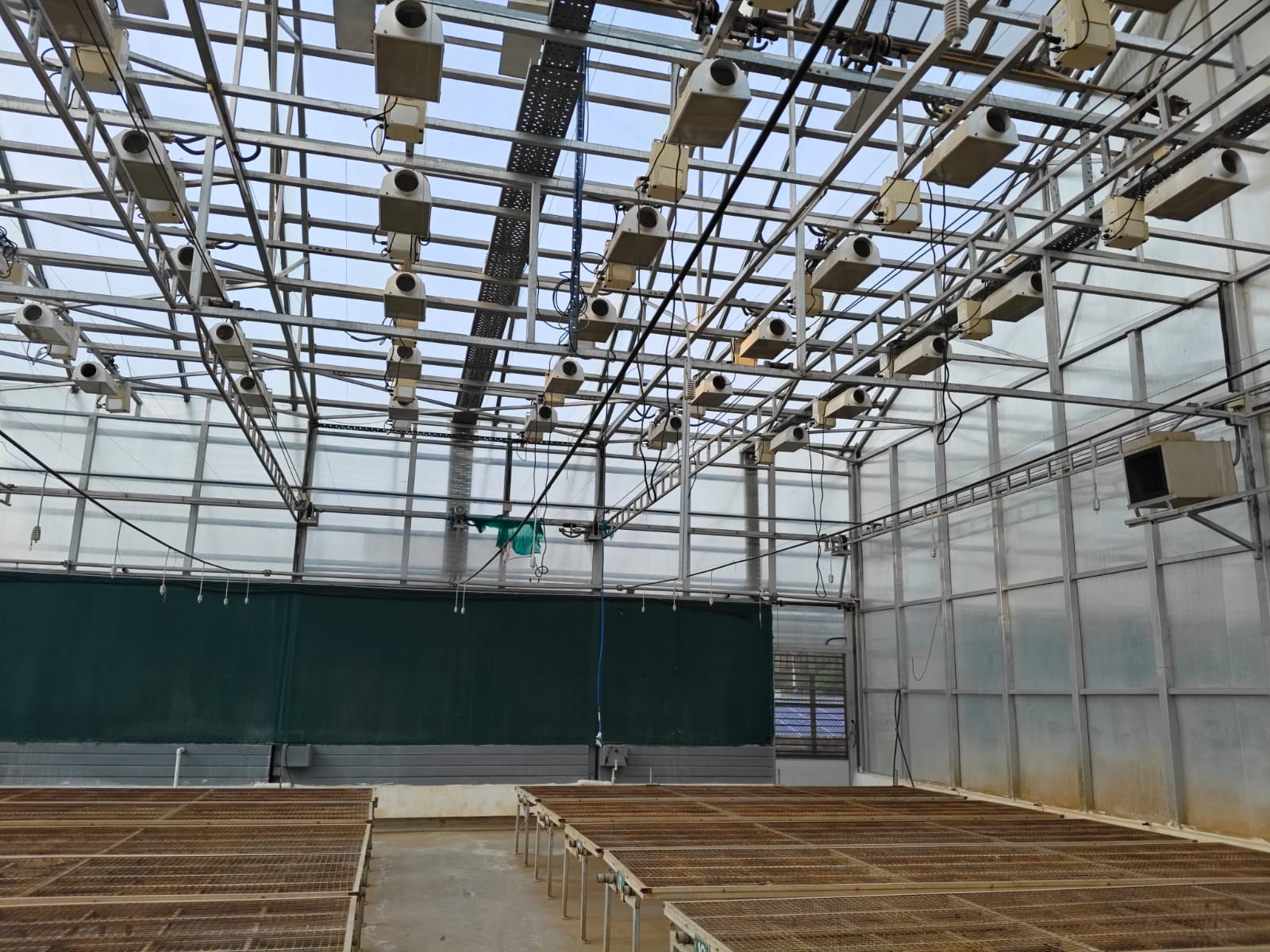
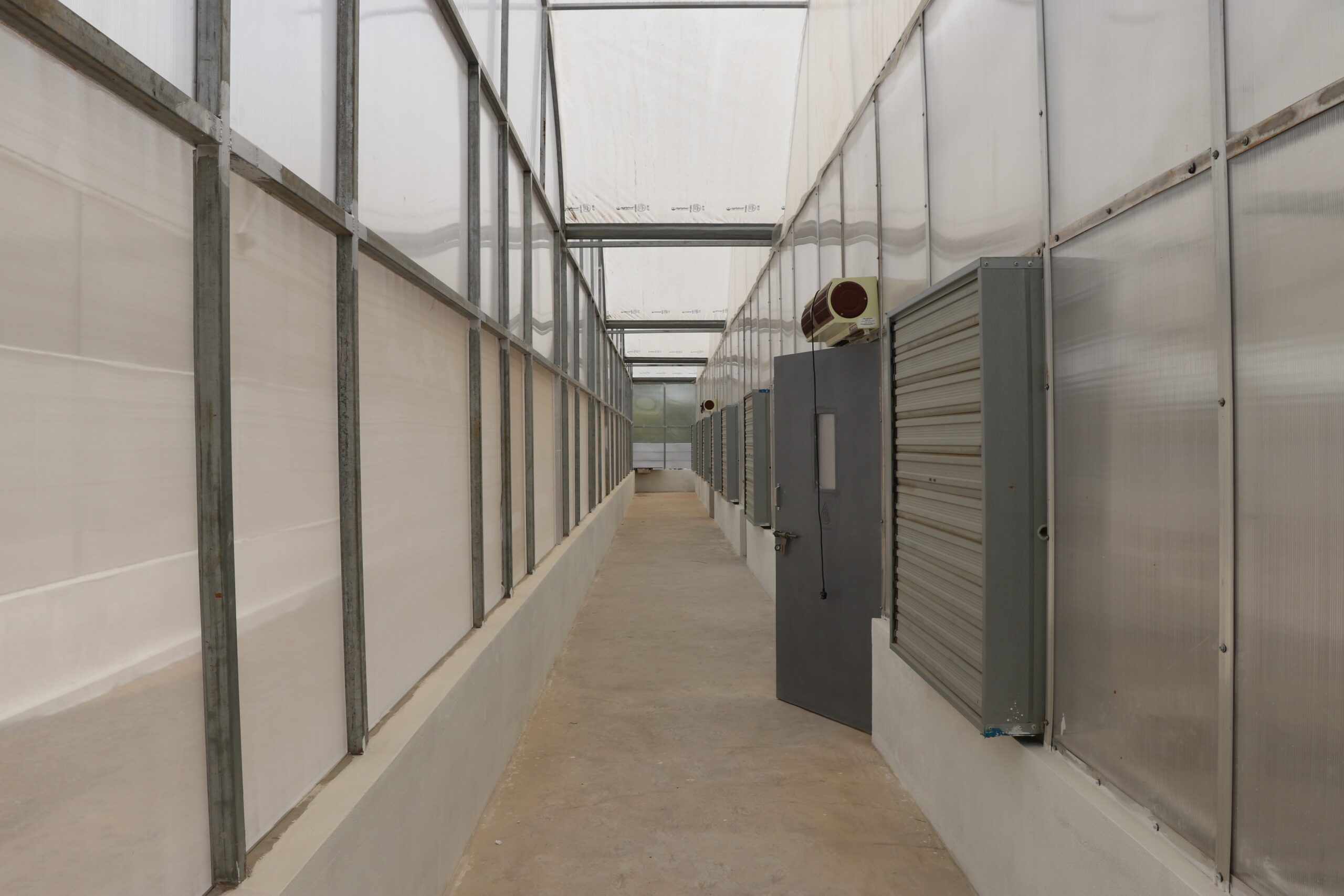
Galvanized steel structural framework quality
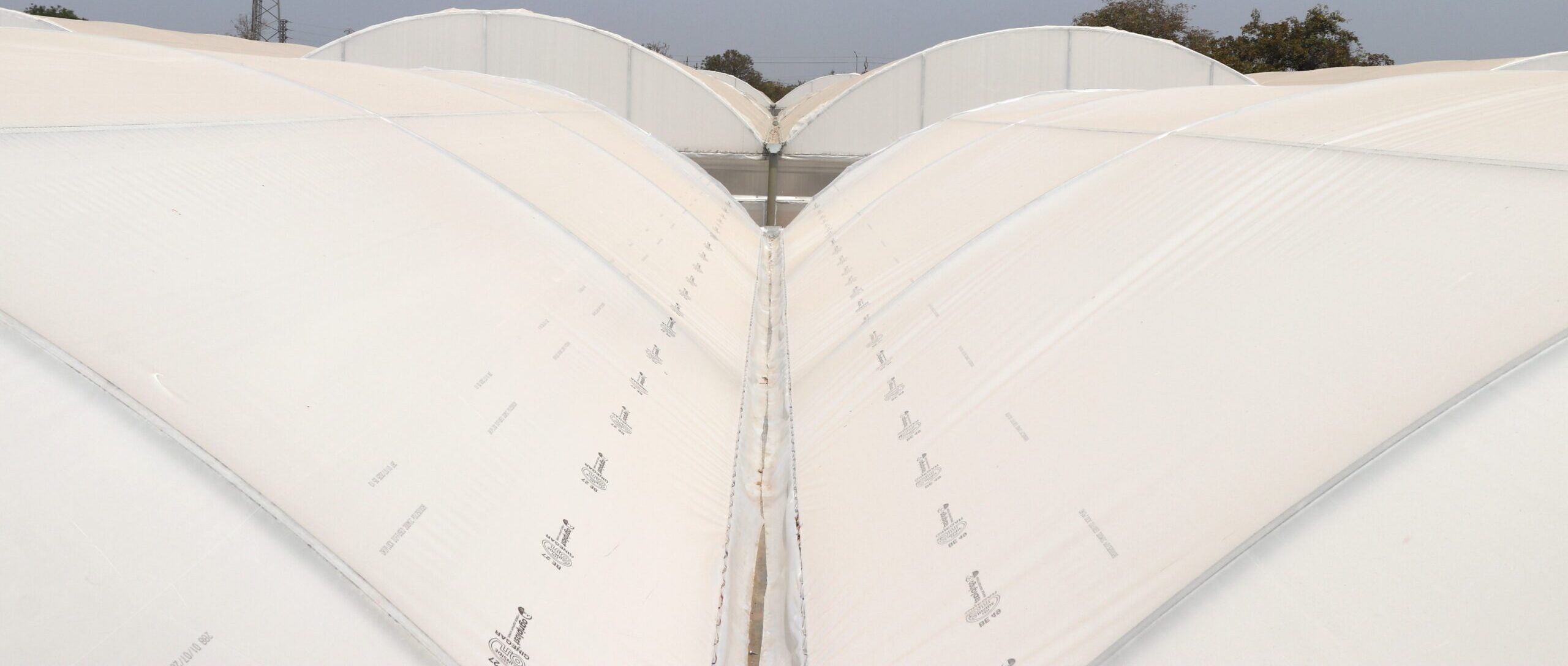
UV-stabilized poly film thickness
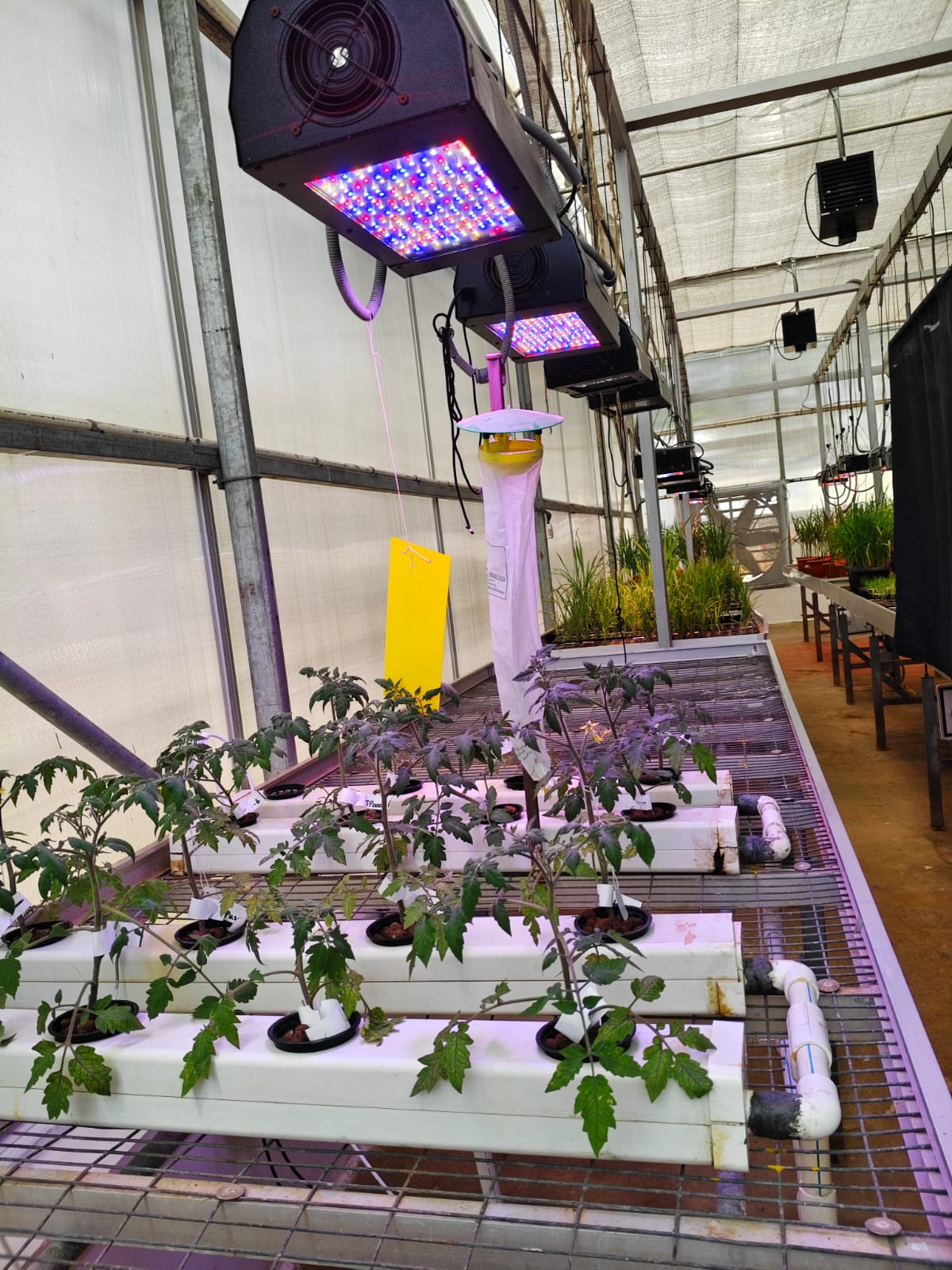
Drip irrigation and fertigation systems
Fogging or misting units
Insect net and shade net systems
Automation for temperature and humidity control
Choosing durable materials ensures long-term performance and reduces maintenance costs.
Government Subsidy for Polyhouse Farming in India
One major advantage of investing in polyhouse systems is government financial assistance.
Under horticulture schemes:
40%–50% subsidy for general category farmers
Up to 60%–70% subsidy for small, marginal, and SC/ST farmers
Subsidy support significantly reduces the initial financial burden and improves project viability.
Eligibility and percentage may vary by state.
Profit Per Acre in Polyhouse Farming
Profit depends largely on crop selection and market planning.
For example, capsicum cultivation:
Investment: ₹35–40 Lakhs
Yield: 80–100 tons per acre
Average Market Price: ₹20–40 per kg
Estimated gross revenue can range between ₹16–40 Lakhs per crop cycle.
High-demand crops such as colored capsicum, cherry tomatoes, cucumber, gerbera flowers, and exotic vegetables typically generate better margins.
With proper planning, investment recovery is possible within two to three years.
Best Crops for High Returns
Polyhouse farming is ideal for:
Capsicum
Tomato (hybrid varieties)
English cucumber
Strawberry
Gerbera and roses
Exotic leafy vegetables
Market research before crop selection is critical to ensure consistent demand.
Common Mistakes to Avoid
Many investors face setbacks due to:
Poor structural design
Inadequate ventilation planning
Use of low-quality materials
Lack of market linkage
Ignoring pest management
Professional planning and proper execution are essential for long-term success.
Is Polyhouse Farming Worth the Investment?
Yes, if approached strategically.
With climate challenges increasing and demand for high-quality produce rising in urban markets, polyhouse farming offers:
Stable production
Off-season cultivation
Better price realization
Export opportunities
It is not just a farming method — it is a structured infrastructure investment.
Conclusion
Polyhouse farming cost in India may appear high initially, but with government subsidy support and proper planning, it becomes a profitable and sustainable cultivation model.
For farmers, entrepreneurs, and institutional investors looking to modernize production systems, polyhouse infrastructure offers long-term growth potential.