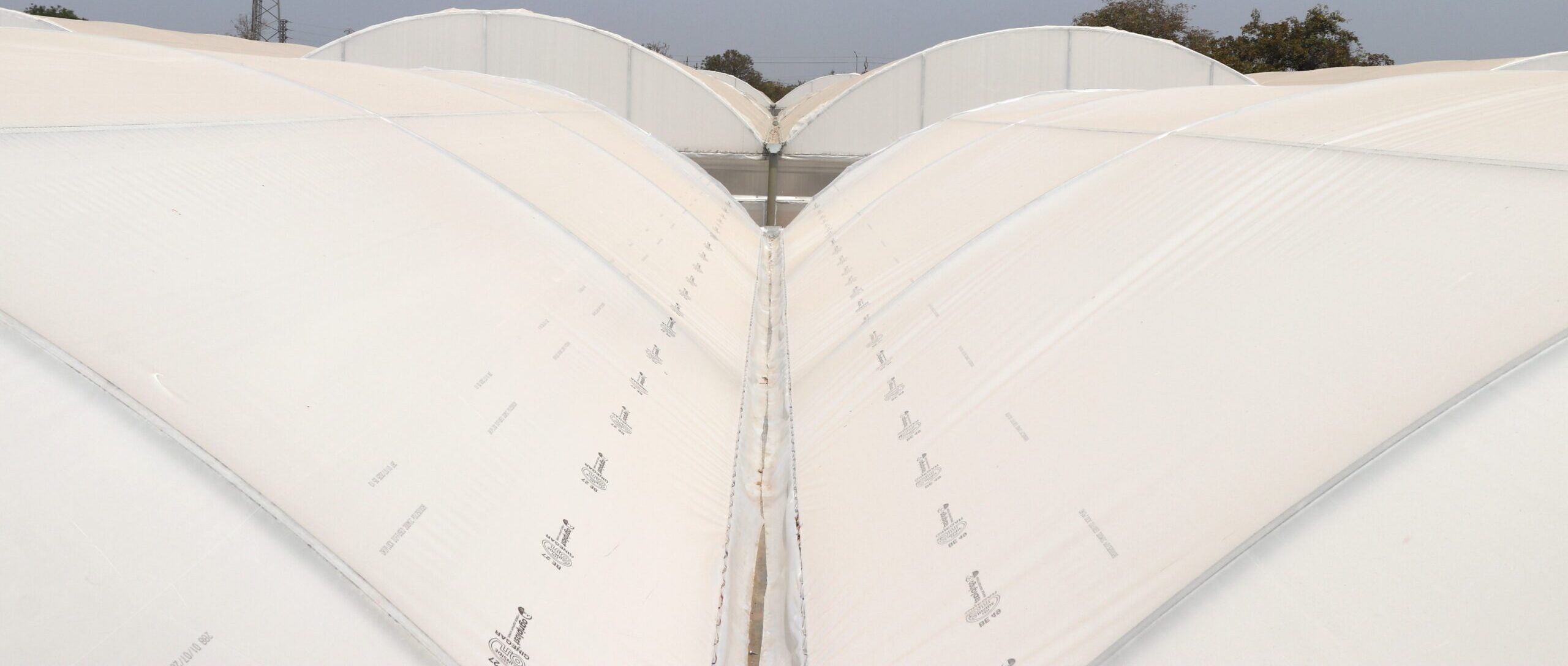
Agriculture is rapidly evolving with the adoption of modern infrastructure and controlled cultivation systems. Among the most promising innovations in recent years is polyhouse farming. With increasing climate unpredictability and rising demand for high-quality produce, polyhouse systems are helping growers achieve consistent yields, improved crop quality, and better profitability.
In this blog, we explore how polyhouse technology is transforming cultivation practices and why it is becoming a preferred choice for commercial growers and research institutions.
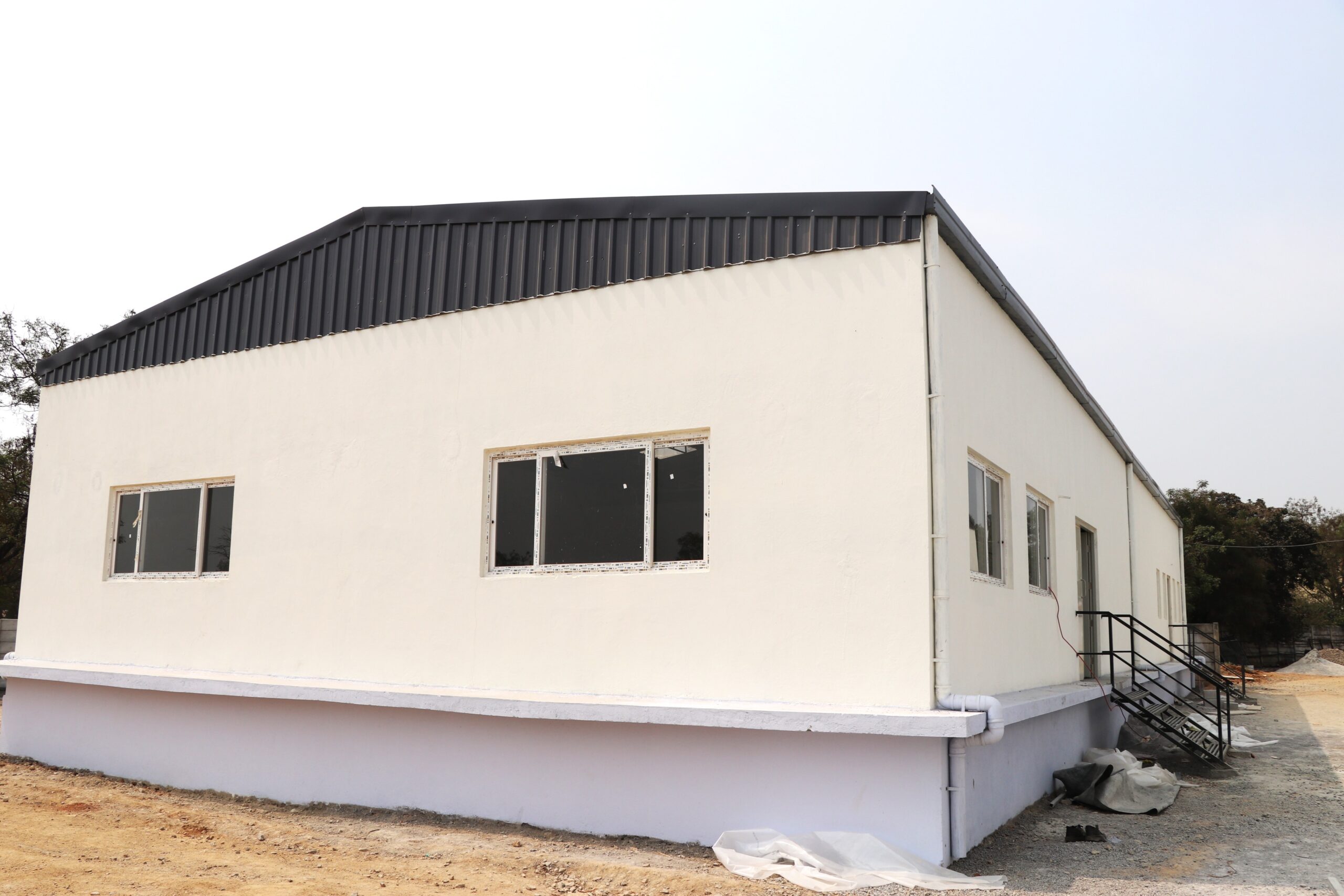
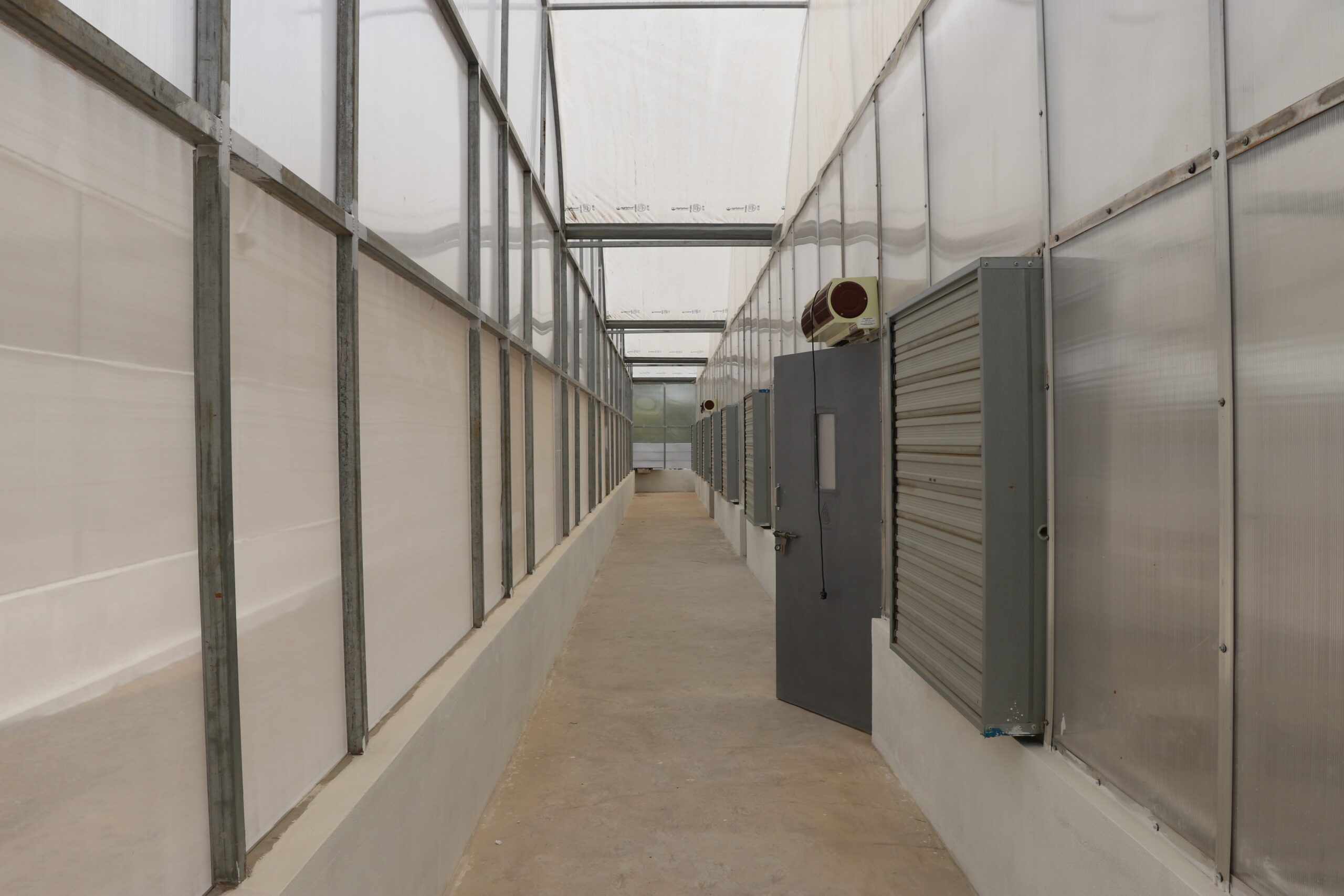
A polyhouse is a specially designed structure covered with UV-stabilized polyethylene sheets that create a controlled growing environment for crops. These structures help regulate temperature, humidity, light intensity, and ventilation.
Unlike traditional open-field cultivation, polyhouses provide protection from:
Extreme weather conditions
Heavy rainfall
Strong winds
Pest attacks
Temperature fluctuations
This ensures better crop health and improved productivity.
With unpredictable rainfall and temperature variations, traditional farming faces high risk. Polyhouses create a stable environment that protects crops throughout the year.
Controlled cultivation increases crop productivity significantly compared to open farming.
Polyhouse systems allow farmers to grow crops during off-season periods, increasing market value and profits.
Uniform temperature and humidity help in producing export-quality fruits, vegetables, and flowers.
Polyhouses are ideal for:
Capsicum
Tomato
Cucumber
Strawberry
Gerbera
Roses
Leafy vegetables
Exotic vegetables
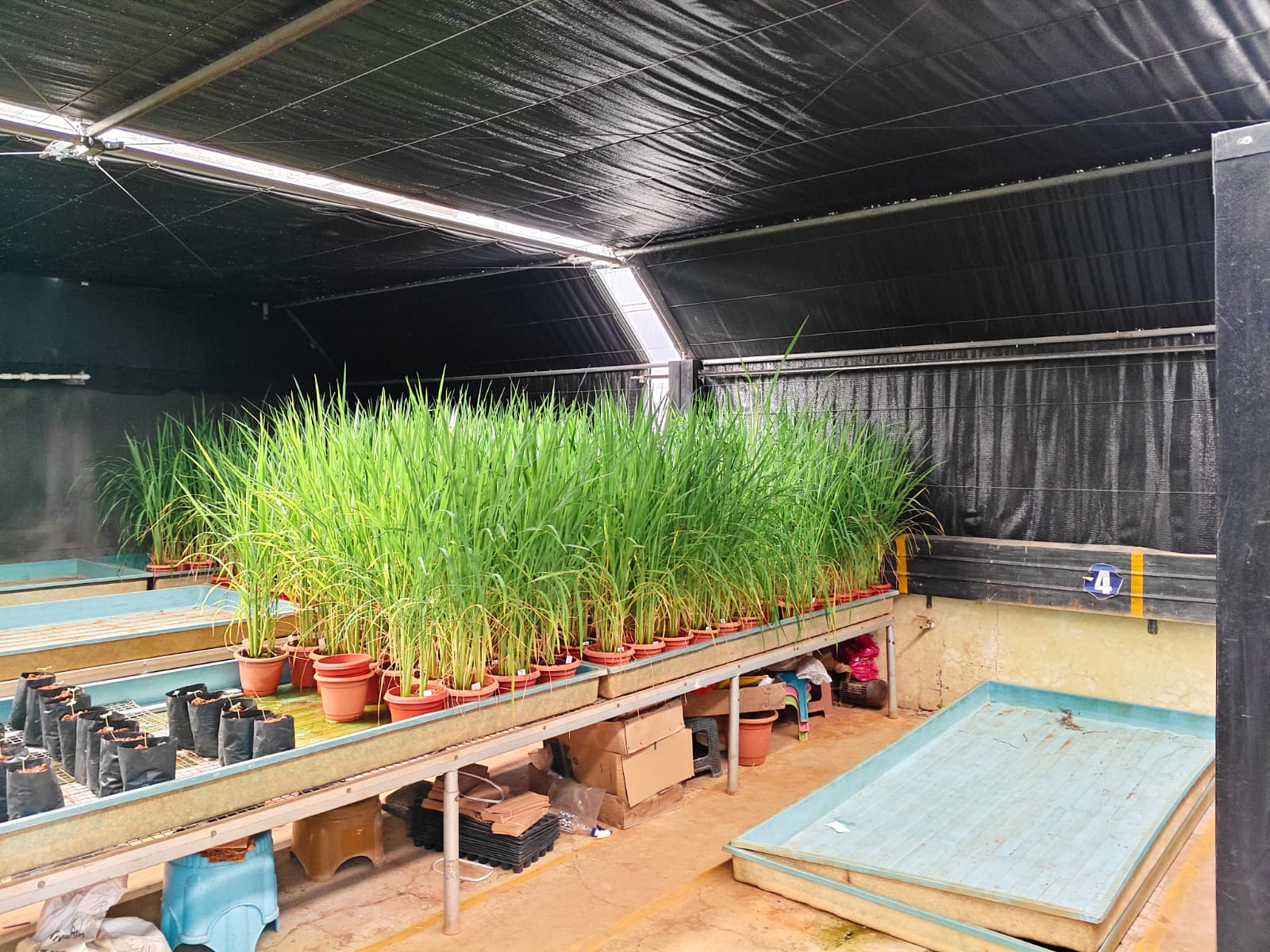
They are also widely used in nursery and seedling production.
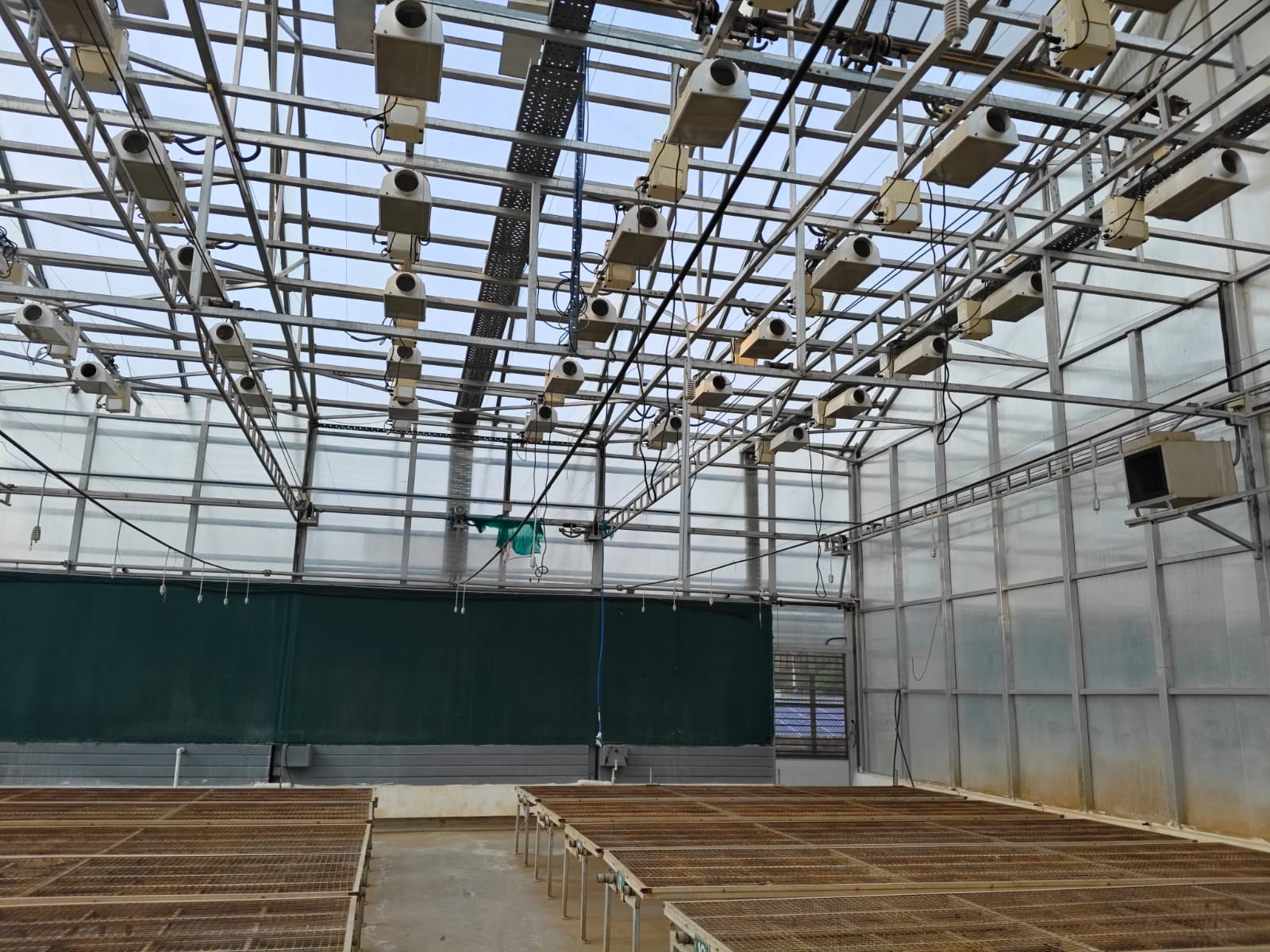
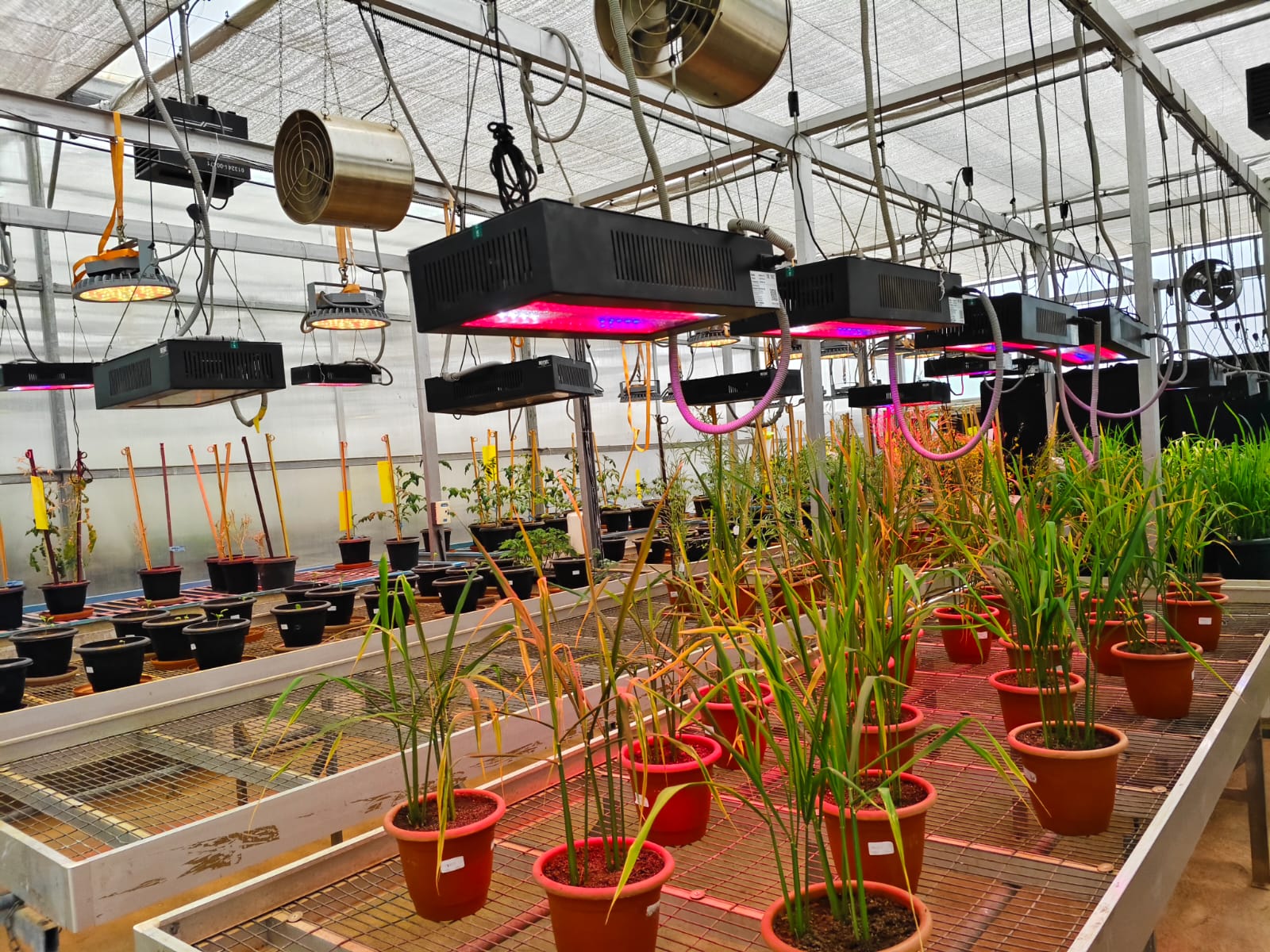
A well-designed polyhouse includes:
Galvanized structural framework
UV-stabilized poly film
Natural or forced ventilation systems
Drip irrigation system
Fogging or misting system
Climate control automation (optional)
Advanced systems may also include fully automated temperature and humidity control.
In India, various government schemes under horticulture missions provide financial support for polyhouse construction. This has encouraged many farmers to adopt controlled cultivation methods.
Proper structural design, ventilation planning, and material selection are critical for long-term performance. A poorly designed polyhouse can lead to:
Overheating
Poor airflow
Structural damage
Reduced productivity
Choosing experienced infrastructure providers ensures durability, safety, and operational efficiency.
Modern cultivation is moving towards:
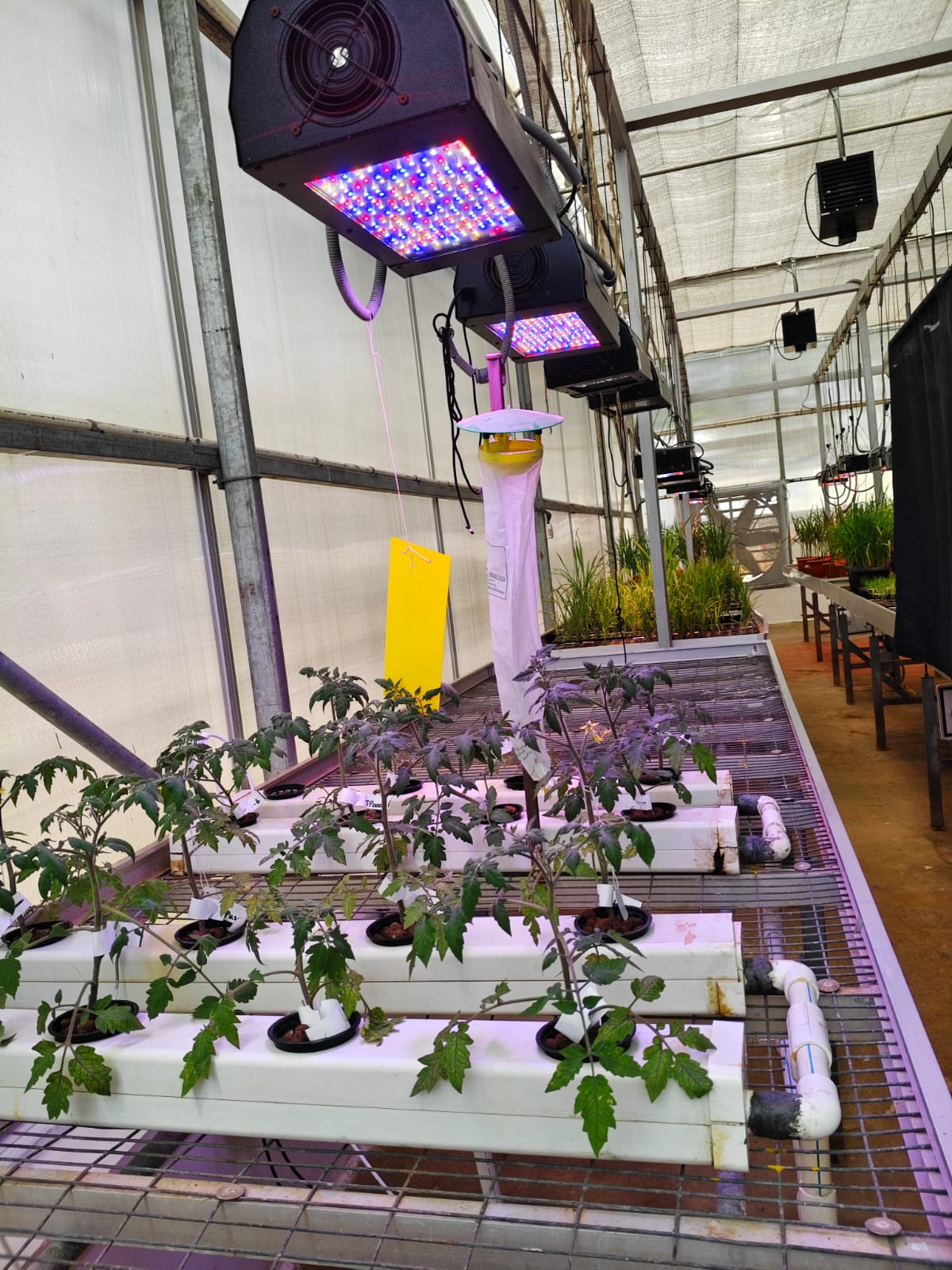
Climate-controlled polyhouses
Automated irrigation systems
IoT-based monitoring
Research-grade greenhouse systems
The integration of infrastructure and technology is shaping the future of sustainable production.
Polyhouse farming is not just a trend—it is a strategic investment in productivity, sustainability, and long-term growth. As demand for quality produce increases, controlled cultivation systems will play a crucial role in meeting market needs.
For growers, research institutions, and agri-entrepreneurs, investing in modern polyhouse infrastructure is a step toward future-ready cultivation.

+91 90309 86188
sribioplus@gmail.com
Old Bowenpally, Hyderabad-500011, Telangana, India